Optimising an office layout isn’t just fitting as many desks into a space as possible.
In 2026, it’s about creating environments that support how people actually work. We want workspaces that balance collaboration, focus, flexibility and wellbeing.
This insight explores how that looks in practice.
Move Beyond Open Plan
Open-plan offices are still widely used for their collaborative and space-efficient benefits.
But without a considered layout, they rarely work.
Noise, lack of privacy and constant distractions can negatively impact focus and well-being if not properly addressed
The most effective layouts today take a more hybrid approach that combines open areas with quieter, more private spaces.
Think in Zonally
One of the most important principles in modern office design is zoning.
Rather than designing for a single way of working, offices should include:
- Focus zones for deep, uninterrupted work
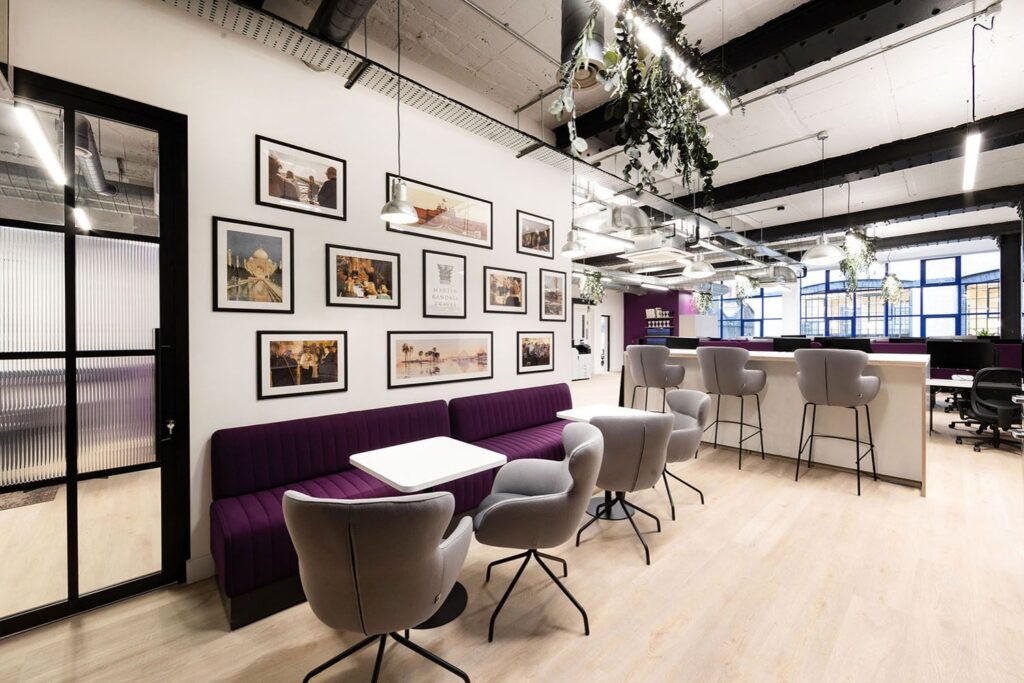
- Collaborative areas for teamwork and discussion
- Breakout spaces for informal meetings and downtime
Zoning allows different types of work to happen simultaneously without conflict, while still maintaining an open, connected feel
Make Every Square Metre Work Harder
Most offices contain underused or “dead” space – usually corridors, walkways, or corners.
These spaces present a great design opportunity.
There’s a growing focus on reclaiming and repurposing these areas into:
- Phone booths
- Huddle spaces
- Informal touchdown points
Small interventions like these can significantly increase functionality without increasing footprint
Design for Flexibility
Flexible layouts – using modular furniture, movable partitions and multi-use spaces – allow offices to adapt as teams grow or working patterns shift.
This adaptability is key to long-term value, particularly in hybrid working environments.
Prioritise Acoustics and Comfort
One of the biggest barriers to a successful layout is poor acoustic design.
Without it, the office quickly becomes unworkable.
Incorporating acoustic panels, soft furnishings and zoning strategies helps manage noise and improve focus.
At the same time, factors like natural light, biophilia and ergonomic furniture play a crucial role in creating a space people actually want to use.
The Bigger Picture
Ultimately, optimising an office layout isn’t about following a single trend.
It’s about asking a simple question: Does this space support the people using it?
The best workplaces today are:
- Flexible
- Efficient
- Human-centred
- Designed around behaviour, not assumptions
When a layout works well, it improves how people think, collaborate and perform every day.