Since 2020, the office has had a pretty compelling opponent…
When home working became the norm during the pandemic, many people became used to working with home comforts, flexibility, and control over their day. So, when businesses recognised the lack of community, culture, and transparency a fully remote workforce resulted in – and therefore began requesting their employees back to the office – many employees had the same question:
“What’s the benefit?”
This question continues to this day as – if the office can’t offer something home can’t – ‘business health’ is rarely a compelling enough sales pitch for employees.
So how can your workplace compete with the WFH alternative (and win)?
Give the Office a Clear Purpose
If the office exists just for people to sit at their laptops, it’s already lost the battle.
WFH is unbeatable for focused, solo work.
The office’s strength lies in everything else: collaboration, culture, creativity, connection.
Start by defining the why:
- What does being together allow that remote doesn’t?
- How does your space make work easier, richer, or more inspiring?
- What experiences can you design that make coming in feel worthwhile?
When employees see the “why,” office attendance is seen as a positive rather than a negative.
Focus on the Experience
It’s about designing a place people want to be.
That means shifting the focus from “attendance” to “experience.”
Think beyond desks and screens:
- Create social and collaborative zones that support teamwork and spontaneity.
- Include quiet areas for focus, but also breakout areas for creativity.
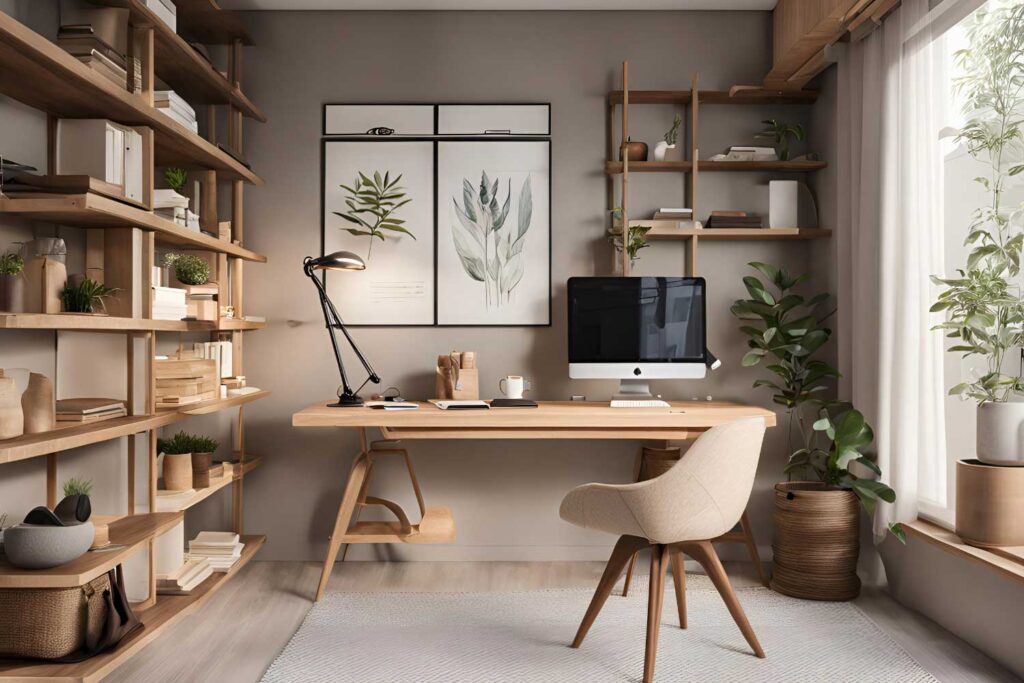
- Make wellbeing part of the design – good lighting, plants, acoustic comfort, air quality, even the smell of the space.
Home might offer comfort. The office can offer.
Listen and Evolve
A static office will never compete with the adaptability of home.
Gather feedback regularly. Find out what people love, what feels missing, what could be improved?
Use data tools like occupancy sensors and desk-booking systems to understand real usage patterns.
If certain spaces are empty, redesign them.
If people keep asking for more collaborative zones, add them.
Your office should be a living, evolving space.
Lead by Example
Culture starts at the top.
If leaders and managers rarely come in, it sends a message louder than any policy.
Communicate why the office matters, show the benefits through behaviour, and celebrate what happens because people came in.
The truth is, the office doesn’t need to beat home working.
It just needs to offer something different. When your workplace is built around connection, creativity, and belonging, it stops competing with home… and becomes something no home office could ever replicate.